Spring Break 2026: Critical Safety Guide for High-Risk Destinations
Executive Summary
Spring Break 2026 (March 7-22) will see an estimated 2.8 million US college students travel to destinations across Mexico, the Caribbean, and Florida. This year presents elevated risks including ongoing cartel violence in Mexican border states, a State of Emergency in Jamaica's St. James Parish, and increased hurricane preparedness requirements following the record-breaking 2025 Atlantic season. Universities and parents must ensure travelers understand destination-specific risks and have robust emergency response plans.
Destination Risk Assessment
Mexico — Quintana Roo (Cancún, Playa del Carmen, Tulum)
Level 2: Exercise Increased CautionKey Risks
- Cartel violence in neighboring states
- Spiked drinks at resorts
- Taxi/rideshare scams
- Timeshare fraud
Advisory
Avoid travel to Tamaulipas, Sinaloa, and Guerrero states. Stay within tourist zones.
Mexico — Los Cabos (Baja California Sur)
Level 2: Exercise Increased CautionKey Risks
- Increasing cartel presence
- Remote area kidnappings
- Water sports accidents
Advisory
Use only authorized tour operators. Avoid isolated beaches after dark.
Caribbean — Jamaica
Level 3: Reconsider TravelKey Risks
- High violent crime
- Sexual assault
- Armed robbery
- State of emergency in parishes
Advisory
Avoid Montego Bay downtown, Spanish Town, and Kingston's inner-city areas.
Caribbean — Bahamas (Nassau)
Level 2: Exercise Increased CautionKey Risks
- Armed robbery
- Sexual assault
- Jet ski accidents
Advisory
Stay in resort areas. Avoid "Over-the-Hill" neighborhoods in Nassau.
Florida — Miami Beach, Panama City Beach
StandardKey Risks
- Overcrowding incidents
- DUI enforcement
- Beach drownings
- Heat-related illness
Advisory
Miami Beach has imposed crowd control measures. Know local curfews.
Pre-Departure Safety Checklist
Emergency Contacts
Mexico
Police: 911
US Embassy: +52 55 5080 2000
Jamaica
Police: 119
US Embassy: +1 876 702 6000
Bahamas
Police: 919
US Embassy: +1 242 322 1181
Dominican Republic
Police: 911
US Embassy: +1 809 567 7775
Key Recommendations for Organizations
For Universities & Student Groups
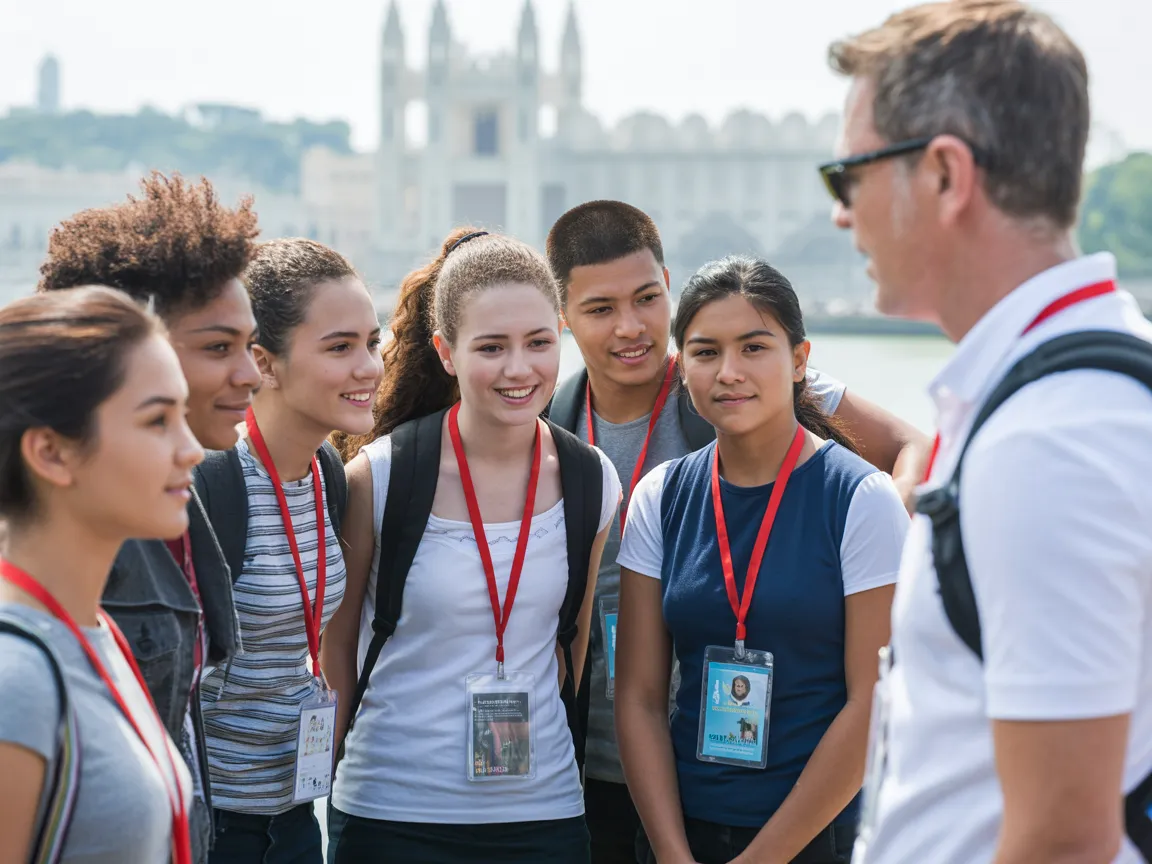
Require mandatory pre-travel briefings covering destination-specific risks. Implement daily check-in protocols for sanctioned trips. Ensure students have access to 24/7 emergency support lines and understand medical evacuation procedures.
For Parents & Families
Discuss realistic risks openly—Spring Break marketing often downplays safety concerns. Ensure travelers have comprehensive travel insurance including medical evacuation coverage. Establish communication protocols and agree on emergency procedures.
For Travelers
Travel in groups, especially at night. Never leave drinks unattended. Use only official taxis or verified rideshare apps. Avoid isolated areas and don\'t display expensive items. Know your limits with alcohol—impairment dramatically increases vulnerability.
Need a Spring Break Risk Assessment for Your Organization?
We provide destination-specific briefings, emergency response planning, and 24/7 monitoring for student travel programs.
Contact Us