Learning in the Wild: Managing Risk in Ecotourism and Educational Travel
Eco-lodges, field study programmes and conservation trips are booming as travellers and educators look for journeys that teach as well as inspire. The remoteness that makes them valuable is also their biggest risk
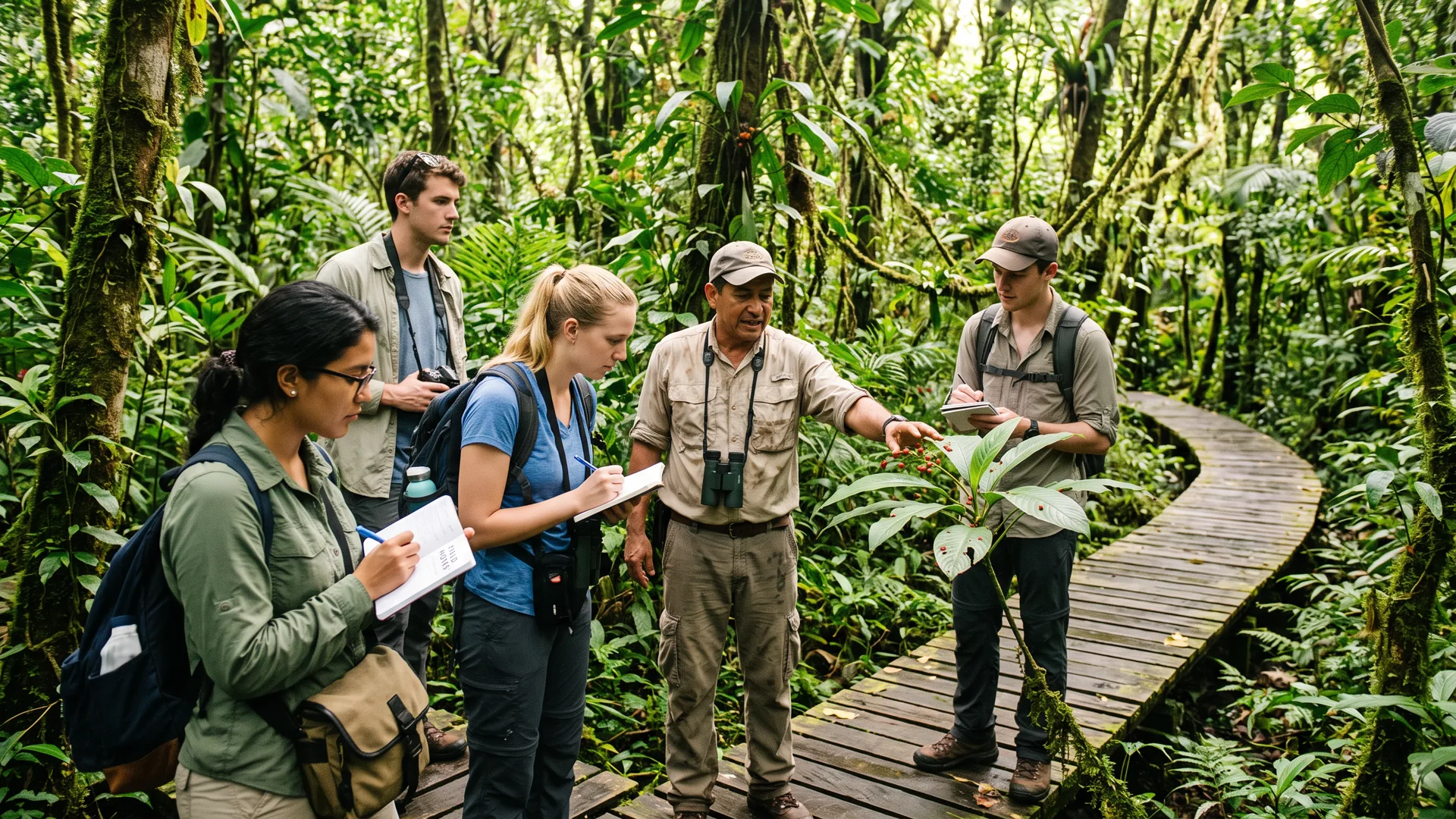
Sustainable travel has grown up. What began as a niche of eco-lodges and nature holidays has become a mainstream expectation, and increasingly an educational one. Schools build sustainability field trips into the curriculum, universities send students on conservation and research placements, companies run purpose-led retreats, and families choose trips where children learn how fragile ecosystems and local communities actually work. In March 2026 UNESCO and UN Tourism signed a partnership to expand sustainable tourism education through World Heritage sites, Biosphere Reserves and Global Geoparks, while the global commitment to protect 30% of land and sea by 2030 keeps adding new protected areas to the map. All of this is good news. But the very things that make learning-led ecotourism worthwhile, such as remote locations, small local operators, wildlife, wild weather and young or inexperienced participants, are also the things that make it hard to keep safe. This briefing looks at where the risks sit, why an "eco" label says nothing about safety, and how established standards such as BS 8848, ISO 31031 and ISO 21101 help organisers protect people without losing the experience.
Why Learning-Led Ecotourism Is Booming
Several trends are converging. Travellers increasingly want "transformational" trips that leave them knowing more than when they set out, and many will pay a premium for genuinely sustainable accommodation. Regenerative tourism, where visitors take part in habitat restoration, reforestation or wildlife monitoring, has moved from fringe to familiar. Education providers are leaning in too: sustainability is now part of many school and university curricula, and reflection-based travel, with daily journals and structured debriefs, is widely seen as one of the best ways to turn experience into lasting learning. At the policy level, the UNESCO and UN Tourism agreement signed in March 2026 explicitly links tourism to heritage conservation and education, using protected sites as living classrooms. The result is more people, and especially more young people, travelling to more remote, more fragile and more lightly-serviced places than ever before. That shift is positive, but it changes the risk profile in ways many organisers have not yet caught up with.
The Remoteness Paradox
The defining feature of most ecotourism is distance from the things we normally rely on in an emergency. A rainforest lodge, a coral reef research station or a mountain conservation camp may be hours, or even days, from a hospital capable of treating serious trauma, snakebite, severe allergic reaction or a complicated fracture. Mobile coverage is often patchy or absent. Evacuation may depend on a single road, a boat or a light aircraft that cannot fly in bad weather. Local emergency services may be limited, and the nearest consular support may be in another country. None of this is a reason not to go, since remoteness is the point. It is a reason to plan as if help will be slow: realistic evacuation times, satellite communication, a qualified first-aider or wilderness medic in the group, an agreed medical evacuation route and insurance that actually covers it. The question every organiser should be able to answer is simple: if someone is seriously hurt at 2am on day three, exactly what happens next, and how long does it take?
Greenwashing Is a Safety Issue Too
As demand grows, so does greenwashing, where operators market themselves as sustainable without much substance behind the claim. Most discussion of greenwashing focuses on environmental credibility, but there is a safety dimension that matters just as much. An "eco" or "responsible" label tells you nothing about whether an operator has a safety management system, qualified guides, maintained vehicles and boats, tested emergency procedures or a clean incident record. Small community-run operators are often exactly the partners sustainable travel should support, but they may have limited formal systems. Due diligence therefore needs to cover safety as rigorously as sustainability: ask for written risk assessments, guide qualifications and first-aid certification, insurance details, incident and near-miss history, and how they handle medical emergencies. Where an operator works with UK organisations, ask whether they can demonstrate conformity with BS 8848 or alignment with ISO 21101 for adventure activities. Supporting local providers and insisting on safety are not in tension; good due diligence often helps smaller operators raise their standards.
Young Learners: Safeguarding, BS 8848 and ISO 31031
Educational ecotourism very often means young people, which raises the bar considerably. BS 8848 remains the main British specification for organising visits, fieldwork, expeditions and adventurous activities outside the UK, and lets providers publicly declare conformity backed by evidence of a working safety management system. ISO 31031:2024, developed with significant input from the Royal Geographical Society, gives international guidance on managing risk for trips involving people up to 25 years old, and is particularly useful for overseas partners in countries without established national standards. It is a guidance standard, written in terms of "should" rather than "shall", so it cannot be certified against, but it provides a common framework covering context, risk assessment, risk treatment, communication and continuous improvement, with detailed attention to child safeguarding. That safeguarding element is critical in learning-led travel: homestays, community visits and volunteering placements all need vetting, supervision ratios and clear codes of conduct. Organisers should be especially careful with volunteering that involves vulnerable children, where well-intentioned programmes can cause real harm.
Nature Bites Back: Health, Wildlife and Climate Hazards
Natural environments bring hazards that urban trips rarely do. Mosquito-borne diseases such as dengue, malaria, chikungunya and West Nile virus are widespread in many ecotourism regions and, as we noted in September, increasingly in familiar destinations too. Water-borne illness, heat stress, altitude, wildlife encounters, marine hazards and plant toxins all need considering. Climate change is making conditions less predictable, with flash floods, landslides, wildfires and extreme heat now hitting trips that would once have been routine for the season. Zoonotic disease is a quieter but real consideration for wildlife and primate destinations. The Bundibugyo Ebola outbreak is a current reminder: Uganda's outbreak was declared over on 25 August 2026, but the Democratic Republic of the Congo had reported more than 8,200 confirmed cases by the end of September, and that affects planning for parts of Central and East Africa. A good risk assessment looks at destination, season, activity and participant together, and builds in clear trigger points for changing or cancelling plans.
Making Safety Part of the Lesson
The most effective learning-led trips treat risk management as part of the curriculum rather than a barrier to it. Understanding why you treat water, why you stay on the trail, why you keep distance from wildlife or why a guide calls off a river crossing is sustainability education in its own right. It teaches respect for environments and communities, and it builds the judgement young people need to travel independently later. In practice that means briefing participants properly before departure, involving them in dynamic risk assessment on the ground, and including safety moments in daily reflection and debriefs. It also means pairing "Leave No Trace" principles with "leave nobody behind" ones: low-impact travel should never mean low preparation. Organisations that get this right find that a strong safety culture actually improves the educational outcome, because participants feel confident enough to engage fully with the experience.
Keeping Learning-Led Ecotourism Safe
Plan for Slow Help
Map realistic evacuation times to definitive medical care, carry satellite communications and make sure insurance covers remote medical evacuation.
Vet Safety, Not Just Sustainability
Ask operators for risk assessments, guide qualifications, incident history and emergency procedures. An eco label is not a safety credential.
Use the Right Standards
Apply BS 8848 for UK-organised overseas ventures, ISO 31031 for youth and school trips, and ISO 21101 for adventure activities.
Make Safeguarding Central
Vet homestays and community placements, set supervision ratios and codes of conduct, and avoid volunteering that puts vulnerable children at risk.
Assess Season, Activity and Person
Combine destination, season, activity and participant health into one assessment, with clear triggers to adapt or cancel plans.
Teach Risk as Part of Sustainability
Brief participants, involve them in on-the-ground risk decisions and build safety into daily reflection and debriefs.
Ecotourism and educational travel are among the most rewarding ways to see the world, and they are growing for good reason. They connect people with fragile places, support local communities and teach lessons no classroom can. But the remoteness, small operators, wild environments and young participants that make these trips special also demand a higher standard of planning. The good news is that the tools already exist. BS 8848, ISO 31031 and ISO 21101 give organisers clear, proven frameworks, and the disciplines they describe, such as honest risk assessment, rigorous operator due diligence, strong safeguarding and realistic emergency planning, are achievable for organisations of any size. Done well, safety does not dilute the experience. It makes it possible, and it becomes one of the most valuable lessons the trip has to teach.
Contact TRSS to build safe, standards-aligned ecotourism and educational travel programmes
Get in Touch